
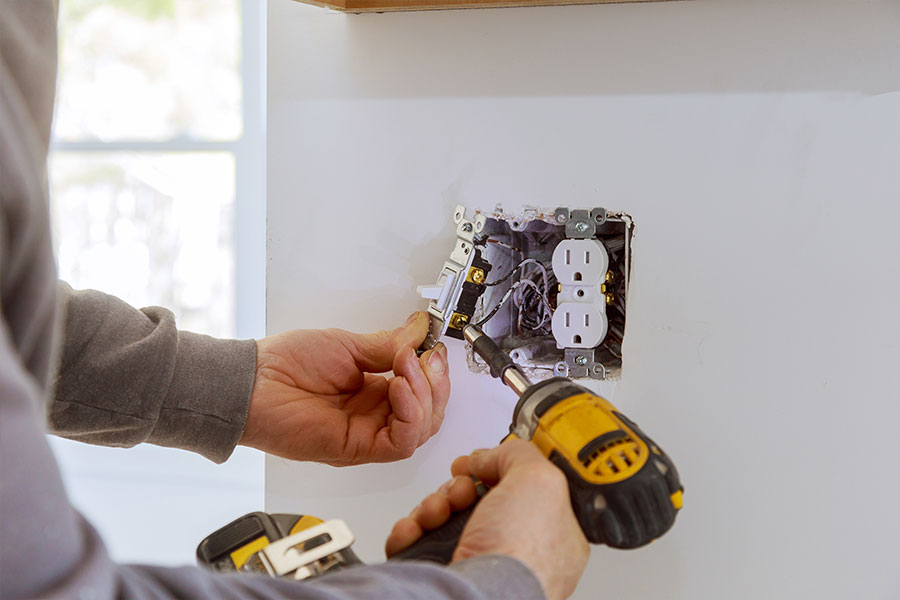
Imagine you just installed new outlets in your McKinney home, only to discover later you had ignored local electrical codes. This common oversight could pose serious hazards, including electrical shock or even fire. As you consider your installation choices, it’s essential to recognize other potential mistakes that could compromise safety and efficiency. What are those pitfalls, and how can you avoid them?
Ignoring Local Electrical Codes and Regulations
When you ignore local electrical codes and regulations, you risk not only your safety but also the integrity of your home. These codes exist to protect you and your property from potential hazards and ensure that installations meet safety standards. By skipping these guidelines, you’re opening the door to electrical failures, fires, or even electrocution.
It’s vital to familiarize yourself with your area’s specific requirements before installing any outlet. Local codes often dictate the type of wiring, outlet types, and proper placement, all of which are fundamental to safe operation.
For instance, installing an outlet too close to water sources or using inappropriate wiring can lead to serious issues down the line. Upgrading to a modern electrical panel can also ensure compliance with safety standards, reducing the risk of electrical problems.
When in doubt, consult professionals like Blue Line Electric. They understand the local codes and can help you navigate through the complexities of electrical installations, ensuring your home stays safe and up to standard.
Prioritize compliance for peace of mind!
Overlooking GFCI Outlets in Wet Areas
When installing outlets in wet areas, you can’t overlook the importance of GFCI outlets.
These essential safety devices protect you from electrical shock, especially in places like bathrooms and kitchens.
Plus, local codes often require them, so skipping this step can lead to costly mistakes and safety hazards. Furthermore, working with a licensed residential electrician can ensure that all installations meet safety standards and comply with Texas laws.
Importance of GFCI Outlets
Though many homeowners recognize the importance of electrical safety, they often overlook the need for Ground Fault Circuit Interrupter (GFCI) outlets, especially in wet areas like kitchens and bathrooms.
These outlets are designed to detect ground faults and cut off power instantly, reducing the risk of electric shock. Without GFCI outlets, you’re putting yourself and your loved ones in danger, particularly when using appliances near water sources.
Installing GFCI outlets is a simple yet essential step in enhancing your home’s safety. They not only protect you from electrical hazards but also comply with building codes, ensuring your home meets safety standards.
Don’t ignore this significant aspect of your outlet installations; your safety is worth it!
Common Installation Errors
Over 50% of homeowners fail to install GFCI outlets in wet areas, a critical oversight that can lead to dangerous electrical hazards.
GFCI outlets are designed to protect you from shocks and electrocution in places like kitchens, bathrooms, and outdoor spaces. By not prioritizing these outlets, you’re putting yourself and your loved ones at risk.
It’s vital to recognize that standard outlets aren’t equipped to handle the moisture present in these environments. When installing outlets near water sources, always choose GFCI options to guarantee safety.
If you’re unsure about the installation process or local requirements, consider reaching out to professionals like Blue Line Electric. They’ll help you navigate the process and guarantee your home’s safety.
Local Code Requirements
While many homeowners may underestimate the importance of GFCI outlets, local code requirements often mandate their installation in wet areas for good reason.
These outlets provide crucial protection against electrical shock, especially in bathrooms, kitchens, and outdoor areas.
If you overlook this requirement, you not only risk your safety but also violate local codes, which can lead to fines or complications when selling your home.
Installing GFCI outlets guarantees you’re compliant and protects you and your family from potential hazards.
If you’re unsure about your current setup, consider contacting a professional, such as Blue Line Electric.
They can help you navigate local regulations and make certain your home is safe and up to code.
Failing to Use the Correct Wire Gauge
When you’re installing outlets, using the correct wire gauge is crucial to guarantee safety and efficiency. Choosing the wrong gauge can lead to overheating, electrical fires, or equipment damage.
Here’s what you should keep in mind:
- Understand Load Requirements: Different appliances require different wire gauges. For instance, a standard outlet typically requires 14-gauge wire for 15 amps, while heavy-duty appliances may require 12-gauge or thicker wire.
- Follow Local Codes: Always check local electrical codes to verify you’re using the appropriate wire gauge for your specific installation. It helps avoid costly fines and safety hazards.
- Consider Future Needs: If you plan to upgrade your appliances or add more outlets, it’s wise to use thicker wire now to accommodate future changes. Additionally, working with a licensed electrician ensures your installation meets all safety standards and regulations.
Installing Outlets Too Close to Water Sources
When you install outlets near water sources, you risk noncompliance with code and an increased risk of electrical shock. Proper placement is essential for safety and functionality in your home. Additionally, adhering to code-compliant outlet installation guidelines ensures that your electrical system remains safe and efficient. Let’s investigate how to avoid these common pitfalls.
Code Compliance Violations
Installing electrical outlets too close to water sources can pose serious safety hazards and result in code compliance violations.
It’s crucial to adhere to local building codes to keep your home safe and avoid costly fines.
Here are three key considerations for proper outlet installation:
- Distance Matters: Outlets in kitchens and bathrooms should be at least 3 feet away from sinks or bathtubs.
- GFCI Protection: Use Ground Fault Circuit Interrupters (GFCIs) in wet areas to prevent electrical shock.
- Check Local Codes: Always verify specific regulations in McKinney, TX, as they may vary and change over time.
Increased Shock Risk
Positioning electrical outlets too close to water sources greatly increases the risk of electric shock, especially in areas like kitchens and bathrooms where moisture is prevalent.
Water is an electrical conductor, and when outlets are installed near sinks, bathtubs, or other wet areas, the risk of accidents increases considerably. It’s essential to keep outlets at least 6 feet away from these sources to guarantee safety.
Moreover, using ground fault circuit interrupter (GFCI) outlets can help protect against shocks in damp environments.
Always think about the safety of your family and guests when planning outlet locations. If you’re unsure about proper placements, it’s wise to consult with a professional electrician to avoid making potentially dangerous mistakes.
Proper Outlet Placement
Improper outlet placement can lead to serious safety hazards, especially in wet areas like kitchens and bathrooms.
Installing outlets too close to water sources increases the risk of electric shock, making it essential to follow safety guidelines.
Here are three tips to guarantee proper outlet placement:
- Maintain Distance: Keep outlets at least 3 feet away from sinks, bathtubs, and other water sources.
- Use GFCI Outlets: Install Ground Fault Circuit Interrupter (GFCI) outlets in wet areas to shut off power when moisture is detected automatically.
- Plan Layout Wisely: Consider the flow of water and potential splashes when deciding where to place outlets.
Neglecting to Turn Off Power Before Installation
Before you start any outlet installation, it’s vital to turn off the power to the circuit you’ll be working on. This step is critical for your safety.
Working on live wires can lead to electrical shocks or even severe injuries. It’s okay to skip this step, especially if you’re in a hurry, but accidents can happen in an instant.
To guarantee you’re truly safe, use a voltage tester after you’ve turned off the circuit. This extra precaution confirms that no power is still flowing to the outlet.
Ignoring this can lead to costly mistakes or dangerous situations.
If you’re unsure about the process, don’t hesitate to call a professional like Blue Line Electric. They prioritize safety and offer expert services to get the job done right.
Misplacing Outlets in High-Traffic Areas
When installing outlets in high-traffic areas, it’s crucial to consider their placement to avoid accidents and ensure convenience carefully. Misplaced outlets can create tripping hazards or make it difficult to access power when you need it.
Here are three key considerations to keep in mind:
- Avoid Corners: Placing outlets in corners can restrict access and create clutter. Choose locations that are easily reachable.
- Consider Furniture Placement: Think about where each piece of furniture will go. Outlets should be positioned so that couches or desks do not block them.
- Height Matters: Standard outlet height is around 12-18 inches from the floor. Confirm outlets are installed at a height that’s practical for your needs, especially in areas like kitchens and living rooms.
Underestimating the Importance of Professional Help
While you might think that installing outlets is a simple DIY task, underestimating the importance of professional help can lead to costly mistakes and safety hazards.
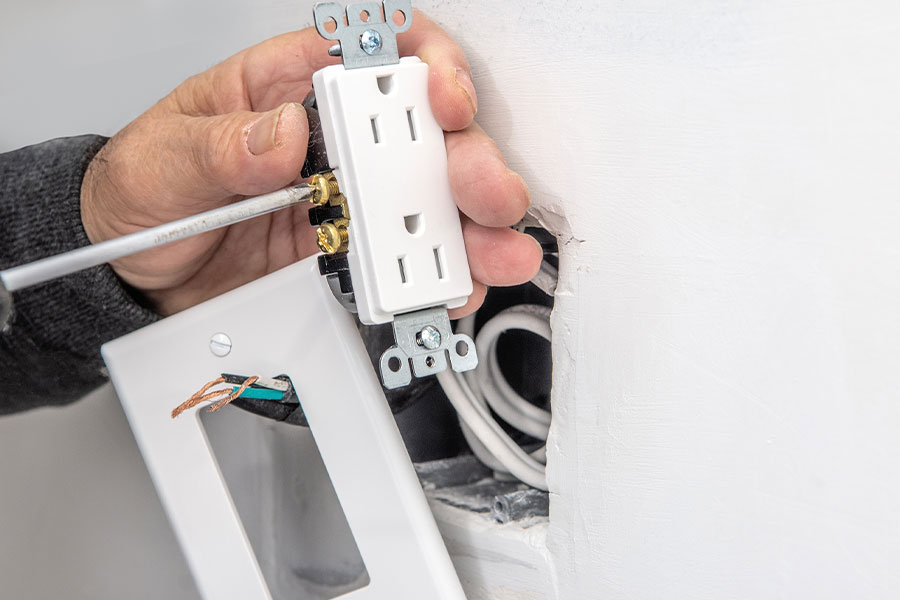
Without the proper knowledge, you could easily overlook electrical codes or fail to secure connections properly, which may result in shorts or even fires. Professionals like Blue Line Electric have the experience to ensure safe, efficient installations that comply with local regulations.
Moreover, they can save you time and money by identifying potential issues before they become significant problems. An expert’s upfront pricing means no hidden costs, allowing you to budget effectively.
Plus, with a satisfaction guarantee, you can trust that the work will be done right. Remember, electrical work isn’t just about functionality; it’s about safety.
Conclusion
Installing outlets might seem like a simple task, but it’s a tightrope walk over a pit of potential hazards. By avoiding common mistakes like ignoring local codes or skipping GFCI outlets, you can keep your home safe and sound. Think of consulting a licensed electrician as your safety net, catching you before you fall. Remember, a well-placed outlet isn’t just convenient—it’s a lifeline that sparks comfort and security in your home. Don’t take shortcuts; prioritize safety!