
The kitchen is one of the most electrically demanding rooms in any home, running everything from refrigerators and microwaves to coffee makers and countertop appliances, often at the same time. When a kitchen’s circuits are not equipped to handle that demand, warning signs start to appear well before a serious failure occurs. As electricians serving Allen, TX, we help homeowners recognize these signs early and address the underlying capacity issue rather than just the symptom.
Recognizing Flickering or Dimming Lights in Your Kitchen
Flickering or dimming kitchen lights are often one of the first noticeable signs of circuit strain. This typically happens when multiple appliances, such as a microwave and a toaster, run simultaneously, drawing more power than the circuit is designed to handle.
Occasional flickering during heavy appliance use is common, but persistent flickering points to a deeper issue and should not be dismissed as a minor annoyance. Overheating wires are a real possibility when circuits are consistently pushed beyond their capacity. The age of a home’s wiring also plays a role, since older systems were not built to support the number of appliances and devices found in a modern kitchen. When flickering becomes a regular occurrence, a professional evaluation can identify the cause and prevent more significant electrical issues down the line.
Understanding the Importance of Circuit Breaker Tripping
A circuit breaker that trips is doing exactly what it is designed to do: protecting the home from overheating and potential fire by cutting power before an overload becomes dangerous. Every trip is worth paying attention to, even if the inconvenience is minor.
Frequent tripping in a kitchen usually points to one of two things: too many high-wattage appliances running on the same circuit, or an underlying fault in the wiring itself. Ignoring repeated trips allows the underlying issue to continue, which can lead to damaged appliances or unsafe electrical conditions over time.
Identifying Overheating Outlets and Appliances
Overheating is one of the clearest indicators that a kitchen circuit is under strain, and it is worth checking for regularly.
Warning signs to watch for include:
- Warm outlets: An outlet that feels warm to the touch, even when nothing is plugged in, indicates an excessive electrical load.
- Discoloration or damage: Any browning, scorch marks, or visible wear around an outlet indicates the outlet has already been exposed to excessive heat.
- Unusual odors from appliances: A burning smell coming from a plugged-in device is a sign to stop using it immediately.
- Erratic appliance performance: Devices that behave inconsistently, such as cycling on and off unexpectedly, can be a symptom of insufficient or unstable power delivery.
Noticing Frequent Power Surges or Electrical Issues
Overheating outlets and appliances often go hand in hand with a broader pattern of electrical strain. The following signs, taken together, are a strong indicator that a kitchen’s circuits are struggling to keep up with demand:
- Flickering lights that occur consistently during appliance use
- Kitchen appliances that reset or shut off unexpectedly
- Buzzing sounds coming from outlets or the wall
- Circuit breakers that trip more frequently than they used to
- A faint smell of burning plastic near outlets or appliances
When several of these signs show up together, the kitchen’s electrical capacity is likely the root cause, and a professional assessment is the right next step before the situation escalates.
Tips for Managing and Upgrading Your Kitchen Circuits
Addressing an overloaded kitchen circuit usually involves a combination of smarter usage and, in many cases, a targeted upgrade.
- Redistribute appliance usage: Spreading high-draw devices across multiple outlets, rather than running them all on one circuit, reduces strain considerably.
- Consider dedicated circuits: For appliances like microwaves, air fryers, or countertop ovens, installing dedicated circuits can eliminate overload issues.
- Upgrade to energy-efficient lighting: LED lighting draws significantly less power than older fixtures, freeing up capacity elsewhere on the circuit.
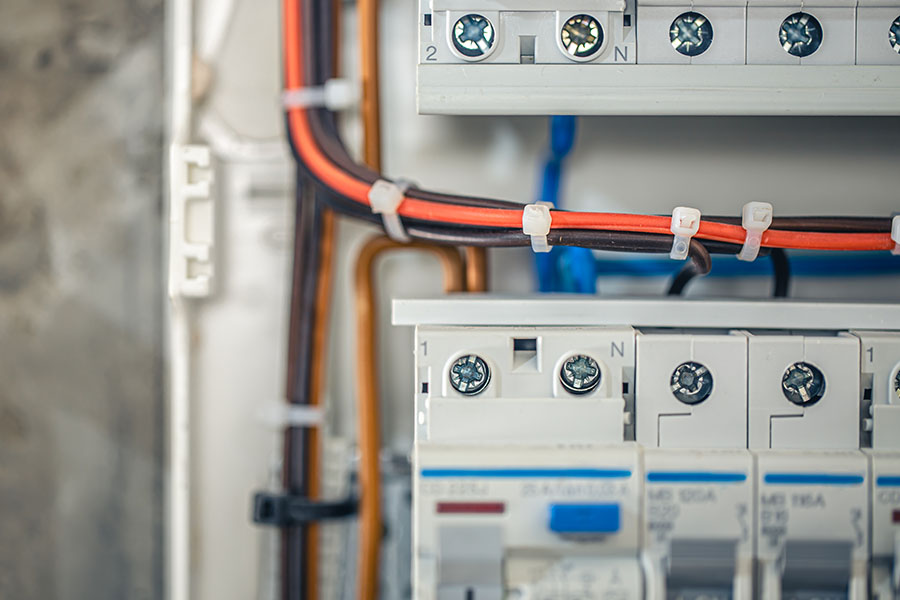
- Have your panel evaluated: In many older Allen homes, especially those near established neighborhoods along US-75, the electrical panel itself may not have been designed for today’s kitchen appliance load. An electrical panel upgrade can resolve capacity issues at the source rather than working around them, room by room.
Financing options are also available for homeowners looking to complete a larger upgrade, making it easier to address the issue comprehensively rather than piecing together short-term fixes.
Keeping Your Kitchen Current Running Smoothly
An overloaded kitchen circuit rarely fixes itself, and the warning signs are worth acting on before they turn into a bigger repair. Blue Line Electric helps homeowners throughout Allen, T,X evaluate their kitchen’s electrical capacity and implement the right fix, whether that means a dedicated circuit, a panel upgrade, or a full system evaluation. Contact our team today if you have noticed any of these warning signs in your kitchen.