



Before you schedule your EV charger installation in Allen, TX, consider several key factors. You’ll need to assess your home’s electrical system to guarantee it can handle the charger’s demands. Location matters too, both for accessibility and protection from the elements. Plus, understanding local regulations and potential costs can help you avoid surprises. Let’s investigate what you need to know to make the process smoother and more efficient.
Understanding Your EV Charger Options
When considering an EV charger for your home, what options suit your needs best?
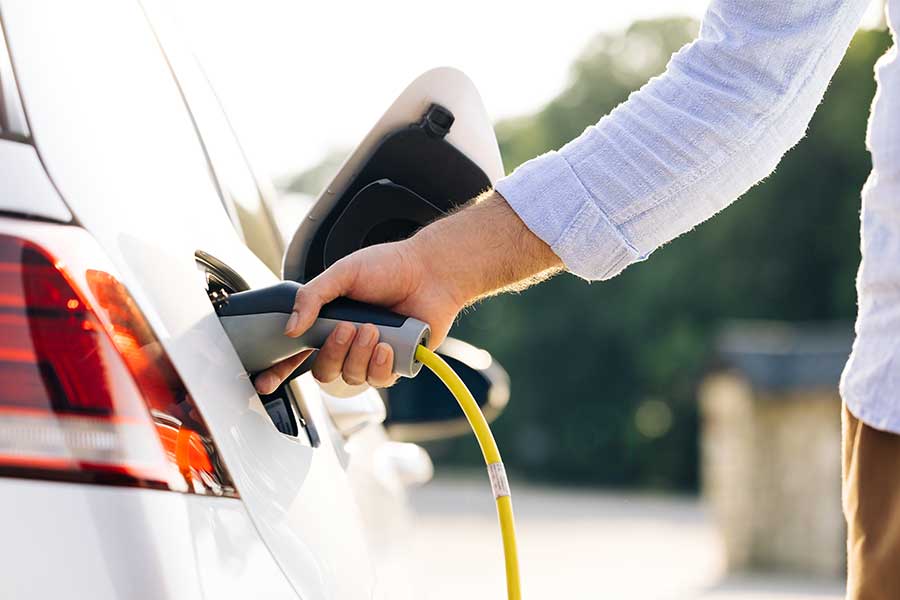
First, you’ll want to investigate the two main types of chargers: Level 1 and Level 2. Level 1 chargers use a standard household outlet and are easy to install, but can take a long time to charge your vehicle. If you need faster charging, consider a Level 2 charger, which requires a dedicated circuit and can significantly reduce charging time.
Next, consider the charger’s compatibility with your vehicle and whether it offers innovative features such as scheduling or energy monitoring.
Furthermore, consider the available installation space; some models are wall-mounted, while others may require more space.
Finally, look into the warranty and support options available. Choosing the right EV charger guarantees you’ll enjoy a seamless charging experience tailored to your lifestyle. Additionally, an assessment of your home’s electrical system is crucial to ensure proper charger type and installation compliance.
Assessing Your Home’s Electrical System
Before installing an EV charger, it’s essential to assess your home’s electrical system to confirm it can support the additional load.
Start by checking your main electrical panel. Verify it has enough amperage to handle the charger’s requirements. Most Level 2 chargers require a dedicated 240-volt circuit, so ensure your panel can accommodate one.
Next, inspect your home’s wiring. Older homes may have outdated wiring that isn’t suitable for heavy loads. If you’re unsure, consult a licensed electrician who can evaluate your system and recommend necessary upgrades. Upgrading to a modern electrical panel ensures compliance with safety standards, allowing for safe installation of your EV charger.
Also, consider the charger’s location. It should be installed close to your electrical panel to minimize wiring needs.
Evaluating Installation Costs and Financing
Understanding the costs associated with EV charger installation is crucial for making knowledgeable choices. You’ll want to consider several factors, including the type of charger you need, the installation complexity, and any necessary electrical upgrades. Prices can vary greatly, so getting multiple quotes will help you find the best deal.
Financing options are available, notably from reputable companies like Blue Line Electric, which offers upfront pricing and no hidden fees. This transparency guarantees you’re aware of all costs before committing. Additionally, consider the importance of licensed electricians to ensure a safe and compliant installation.
Furthermore, inquire about any available incentives or rebates that can reduce your overall expenses. Don’t forget to budget for potential permits and inspections required by local regulations. By evaluating installation costs and exploring financing options, you can make a well-informed choice that aligns with your financial situation while guaranteeing you’re set up for efficient electric vehicle charging at home.
Choosing the Right Location for Your Charger
Choosing the correct location for your EV charger can considerably impact your charging experience and convenience.
You’ll want to find a spot that’s easily accessible while likewise considering your home’s layout. Here are some key factors to keep in mind:
- Proximity to Parking: Confirm the charger is close to where you park your vehicle.
- Weather Protection: Choose a location that protects the charger from harsh weather.
- Accessibility: Make sure it’s easy to plug in and unplug your vehicle.
- Electrical Supply: Verify that the location has adequate electrical capacity.
- Local Codes: Be mindful of any restrictions or guidelines for installations.
Taking the time to select the best location can save you headaches down the road and improve your overall charging experience. Additionally, consider consulting with licensed electricians to ensure safe installation and compliance with local electrical codes.
Your EV deserves a convenient, safe charging home!
Ensuring Compliance With Local Regulations
As you plan your EV charger installation, ensuring compliance with local regulations is fundamental to a safe, legal setup.
Start by checking with your local authorities or zoning office to determine whether any permits or inspections are required for your installation. Building codes may dictate specific installation practices, so it’s vital to familiarize yourself with these guidelines.
Consider contacting Blue Line Electric for expert assistance; they’re well-versed in local regulations and can help you navigate the process smoothly. They’ll ensure your installation meets all required standards, avoiding potential fines or issues down the line.
Furthermore, verify any homeowners’ association (HOA) rules if you live in a community governed by such regulations.
Conclusion
Before you schedule your EV charger installation in Allen, TX, make sure you’ve covered the basics. Nearly 80% of EV charging happens at home, so choosing the proper setup is essential for your convenience. By evaluating your electrical system, reviewing costs, and ensuring compliance with local regulations, you’re setting yourself up for success. Don’t forget to get multiple quotes to find the best deal! You’ll be charging up and hitting the road in no time.