
Before you schedule your EV charger installation in Allen, TX, consider several key factors. You’ll need to assess. Electric vehicles are becoming a common sight on Allen roads, from the neighborhoods around Stacy Road to the newer developments off US-75. As more Allen homeowners make the switch, the demand for professional home charging solutions has grown steadily. If you are considering adding a charger to your home, there are several important factors to consider before setting the installation date. As a licensed electrician serving Allen, TX, we walk homeowners through this process regularly and want you to go into it fully informed.
Understanding Your EV Charger Options
Not all EV chargers are created equal, and selecting the right one for your home depends on how you use your vehicle, how quickly you need it charged, and what your electrical system can support.
There are two primary options available for residential installations:
- Level 1 charging: Uses a standard 120-volt household outlet and requires no dedicated circuit installation. It is the simplest setup; it charges at a much slower rate, typically adding only 3 to 5 miles of range per hour. For drivers with modest daily commutes or a secondary vehicle, this may be sufficient.
- Level 2 charging: Operates on a 240-volt dedicated circuit and delivers significantly faster charging speeds, often adding 20 to 30 miles of range per hour. This is the option most Allen homeowners choose for daily use. It requires professional installation but provides a far more practical charging experience.
Beyond the charger type, features such as scheduled charging, energy monitoring, and smart app integration are worth considering. Compatibility with your specific vehicle model is also something a qualified electrician can help you confirm before the work begins.
Assessing Your Home’s Electrical System
One of the first things a licensed electrician will evaluate before installing an EV charger is your home’s existing electrical system. This step is non-negotiable and determines everything else about the project.
Here is what that assessment typically involves:
- Panel capacity: A Level 2 charger requires a dedicated 240-volt, 50-amp circuit. If your main electrical panel is already operating near capacity, it may not be able to accommodate the additional load without an upgrade.
- Wiring condition: Older homes throughout Allen sometimes have wiring that predates modern electrical demands. A professional inspection will identify whether your current wiring is rated for the increased load.
- Panel location relative to parking: The closer the charger can be installed to the electrical panel, the less wiring is required. Greater distances add both material costs and installation complexity.
In our service calls throughout Allen, we regularly find that homeowners are surprised by the condition of their existing panels. Some are operating with very little headroom, and adding a charger without addressing that first creates a genuine safety risk. Getting a professional evaluation up front prevents costly surprises later.
Evaluating Installation Costs and Financing
EV charger installation costs vary depending on the selected charger type, the complexity of the electrical work, and whether any panel upgrades are needed. Working in homes across Allen, we have seen projects range from straightforward single-circuit additions to more involved upgrades requiring panel work before the charger can be safely installed.
A few cost factors worth understanding before you schedule:
- Charger hardware: Level 2 chargers vary in price depending on features and brand. Your electrician can recommend options that balance performance and value.
- Electrical upgrades: If your panel needs additional capacity, that work will be scoped and priced separately. Reviewing the EV charger installation cost breakdown in advance helps set realistic expectations.
- Permits and inspections: Local code compliance often requires permits and inspections for EV charger installations. These costs should be factored into your total budget.
- Available incentives: Federal tax credits and utility rebates may help offset installation costs. Your electrician or a tax professional can help you identify what applies to your situation.
Blue Line Electric provides upfront pricing with no hidden fees, so you know exactly what you are committing to before any work begins. Financing options are also available for homeowners who want to move forward with upgrades without the full upfront expense.
Choosing the Right Location for Your Charger
Location selection has a bigger impact on long-term satisfaction than most homeowners initially realize. Based on what we see in Allen properties, chargers installed in convenient, well-protected locations are consistently used, while poorly placed chargers become daily frustrations.
Key considerations when evaluating placement options:
- Proximity to your parking spot: The charger should be positioned so the cable reaches your vehicle comfortably without stretching or creating a tripping hazard.
- Weather protection: Allen summers are intense, and winter storms can arrive with little warning. A covered location, such as inside a garage or under a carport overhang, protects both the equipment and the user.
- Distance from the electrical panel: Minimizing the run between the panel and the charger keeps installation costs down and reduces potential voltage drop over longer cable runs.
- Local codes and HOA rules: Some Allen communities governed by homeowners’ associations have placement guidelines or approval requirements. Checking these before installation avoids delays or the need for mandatory repositioning after the fact.
A licensed electrician will evaluate your specific property layout and recommend the placement that balances convenience, safety, and code compliance.
Ensuring Compliance With Local Regulations
Permit and inspection requirements for EV charger installations are not optional, and skipping this step can create real problems down the road, including issues with homeowner’s insurance and resale complications. Local building codes specify how dedicated circuits must be installed, what materials are required, and how the work must be documented.
Blue Line Electric handles the permitting process for every installation, ensuring the work meets all applicable standards from the start. If you live in a community with HOA oversight, we can also help you understand what documentation or approvals may be needed before installation begins.
Compliance is not just a formality. It is what stands behind the long-term safety and reliability of your home charging setup.
Charging Forward with Blue Line Electric
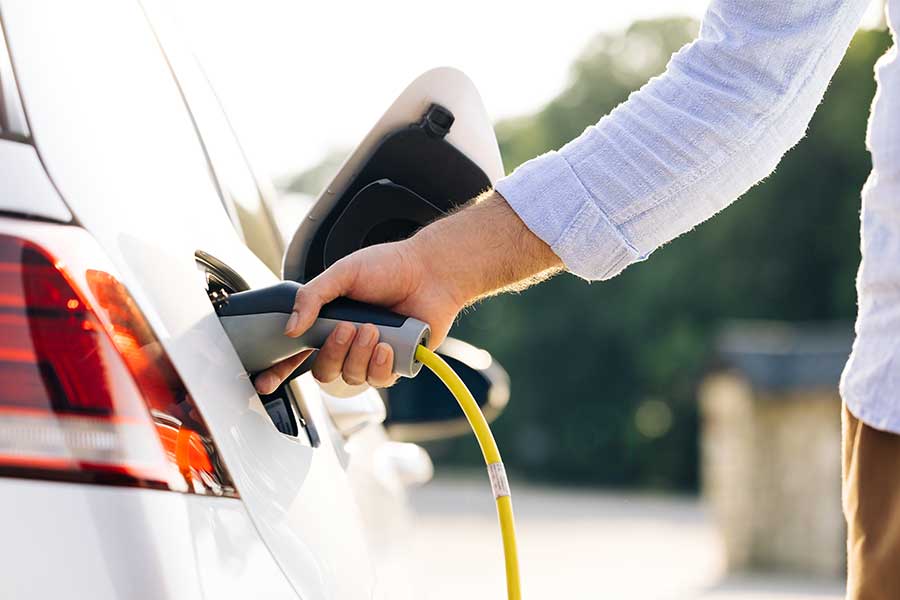
Getting an EV charger installed at your Allen home is a smart investment, but doing it right requires more than just picking a unit off a shelf. The electrical assessment, location planning, permitting, and quality of installation all determine how safely and reliably your charger performs for years to come. Blue Line Electric brings licensed expertise, honest pricing, and field-tested experience to every EV charger installation we complete in Allen, TX. Contact our team today to schedule your installation and get your home set up for the way you drive.